Beauty Standards Say What?

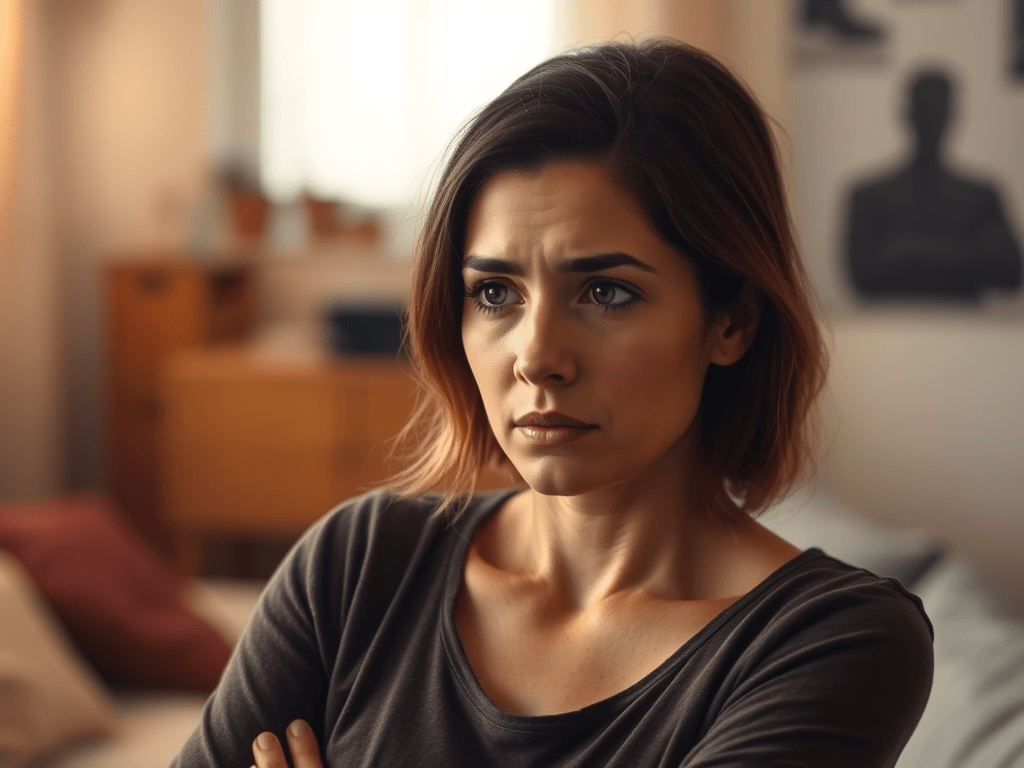
I’m tired of the standard of beauty for women being hairless twigs. This image of what we should look like is advertised to us relentlessly, infiltrating our lives through social media, magazines, and even mainstream movies, and as a result, our self-worth takes a nosedive. The pressure to conform to this unrealistic standard stifles individuality and breeds insecurity, making it difficult for women to appreciate their own unique beauty. Kirsten Neff points out (in one of her Ted Talks) that little girls start to lose their self-esteem at around grade three. This alarming trend highlights how early the societal pressures can damage a child’s self-image, leading them to believe that their value is tied solely to their appearance rather than their talents, intellect, or kindness. A trap I fell into as a young girl on the verge of womanhood.

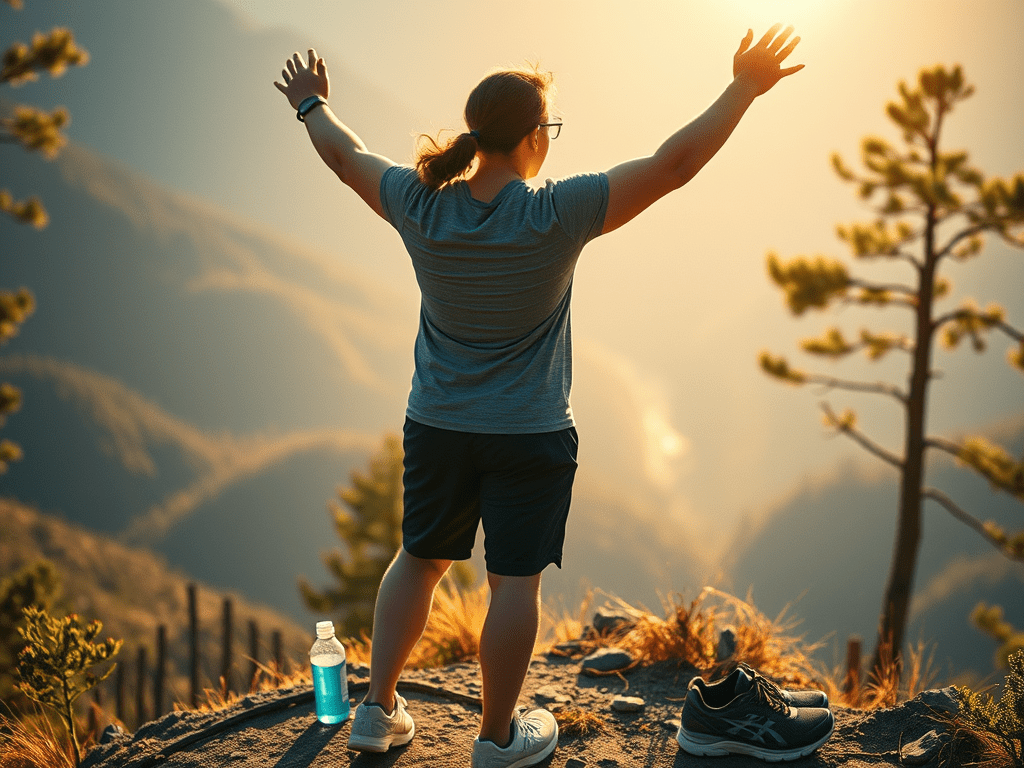
As I matured I realized that being physically fit is more important than being thin. While thinness may often be a side effect of physical fitness, it isn’t always a direct correlation. There are plenty of curvy women who are not only more physically fit than I am but also embody strength, resilience, and vitality that defy conventional beauty standards. Even though I’ve lost a hundred pounds through dedication and hard work, I fully recognize that there are some of my curvier sisters who possess a level of stamina and endurance that I could only aspire to. Their ability to engage in activities with such ease and confidence serves as a powerful reminder that fitness comes in various shapes and sizes. It reaffirms my belief that enhancing one’s physical capabilities and overall health should take precedence over mere numbers on a scale, showcasing the diversity and individuality of fitness journeys.

And the shaving…. so much shaving… Shaving legs, armpits and who knows what else… Did you know that hair removal didn’t become popular until the 1920’s and 1930’s? Shorter hemlines and shorter sleeves became the fashion norm, creating a shift in societal expectations regarding women’s grooming. As these trends evolved, advertising played a pivotal role in popularizing shaving, portraying it as an essential aspect of feminine beauty and hygiene. The rise of advertisements featuring smooth, hairless skin influenced countless women to adopt this practice, often presenting it as a rite of passage into modern womanhood. The cultural impact was profound, as women began to embrace hair removal only for aesthetic reasons.

I remember my daughter tearfully telling me how some of her classmates were teasing her because she hadn’t started shaving her legs yet, making her feel self-conscious and isolated in a way that no parent ever wants for their child. It broke my heart to see her grappling with such unnecessary insecurity over something so trivial but still so impactful at that age. I recalled my own youth, feeling unattractive and awkward because I hadn’t shaved my legs that day, caught in the swirling pressure of societal expectations and the desire to fit in. Those moments of inadequacy lingered with me, as I navigated the complexities of womanhood, often wondering why we place so much importance on such superficial standards of beauty. I find solace in discussing these challenges, recognizing that our worth is not measured by smooth skin but by the strength and kindness we carry within us.

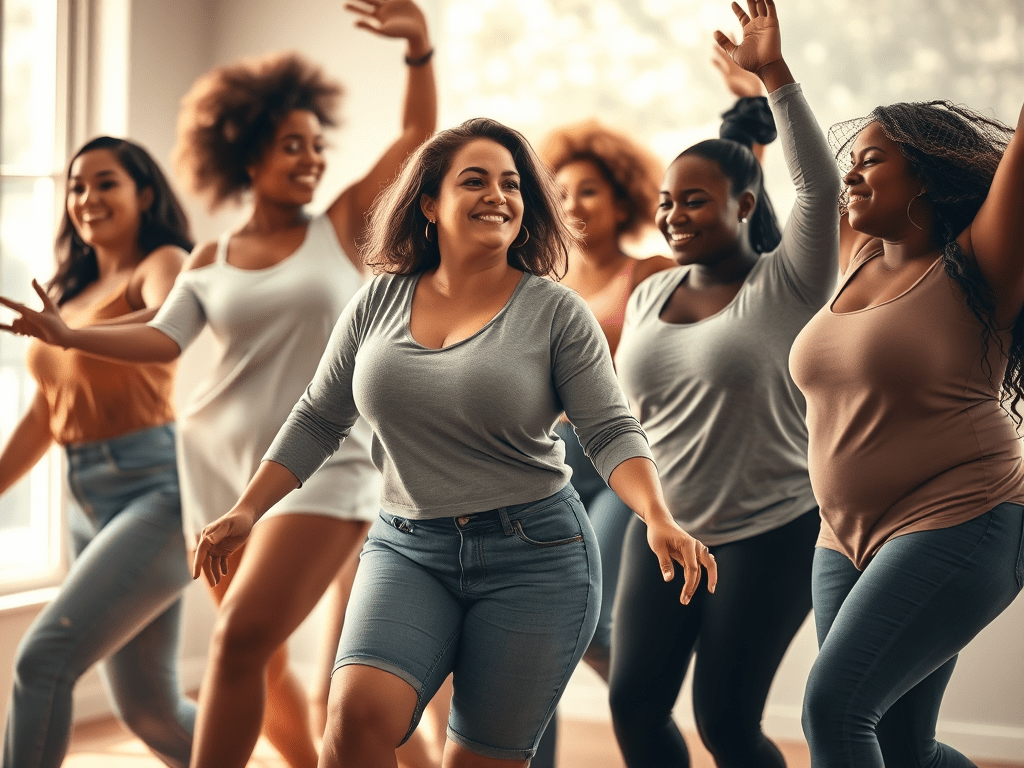
It’s time to normalize curvier women as beautiful; society should embrace a diverse range of body types rather than adhering to outdated and restrictive “traditional” standards of beauty. By celebrating various shapes and sizes, we can foster a more inclusive environment where everyone feels valued and appreciated for their unique qualities. This shift in perspective not only empowers individuals but also encourages a healthier relationship with one’s body, promoting self-love and acceptance. Challenging the narrow definitions of beauty allows for richer representations in media and fashion, ultimately creating a culture that uplift and admires all forms of femininity. It’s crucial for us to recognize that beauty comes in many forms and that diversity is a strength that adds depth and vibrancy to our society.

More and more women are reclaiming their body hair, challenging societal norms that have long dictated what is considered acceptable or attractive. It should not be viewed as gross, disgusting, or as a sign of neglect. It’s just body hair, a natural part of human biology that we all have in varying degrees, and I wholeheartedly applaud women who are confidently choosing to embrace their bodies as they are. By doing so, they are not only advocating for self-acceptance but also encouraging others to appreciate their own individuality, fostering a culture that celebrates all forms of beauty and promotes the idea that every body deserves love and respect.

I am on this very journey of self-acceptance, embracing every part of who I am. I’m tired of the endless cycle of shaving my legs and obsessively watching the scale, which only drains my energy and creativity. I am working towards being less self-conscious when I don’t shave or when my dress doesn’t fall quite right; instead, I strive to celebrate my uniqueness and the beauty of imperfection. Each day, I remind myself that confidence comes from within and that my worth is not defined by societal standards or superficial appearances. As I navigate this path, I find strength in acceptance and a newfound freedom in letting go of the pressures to conform.
The Importance Of Validation

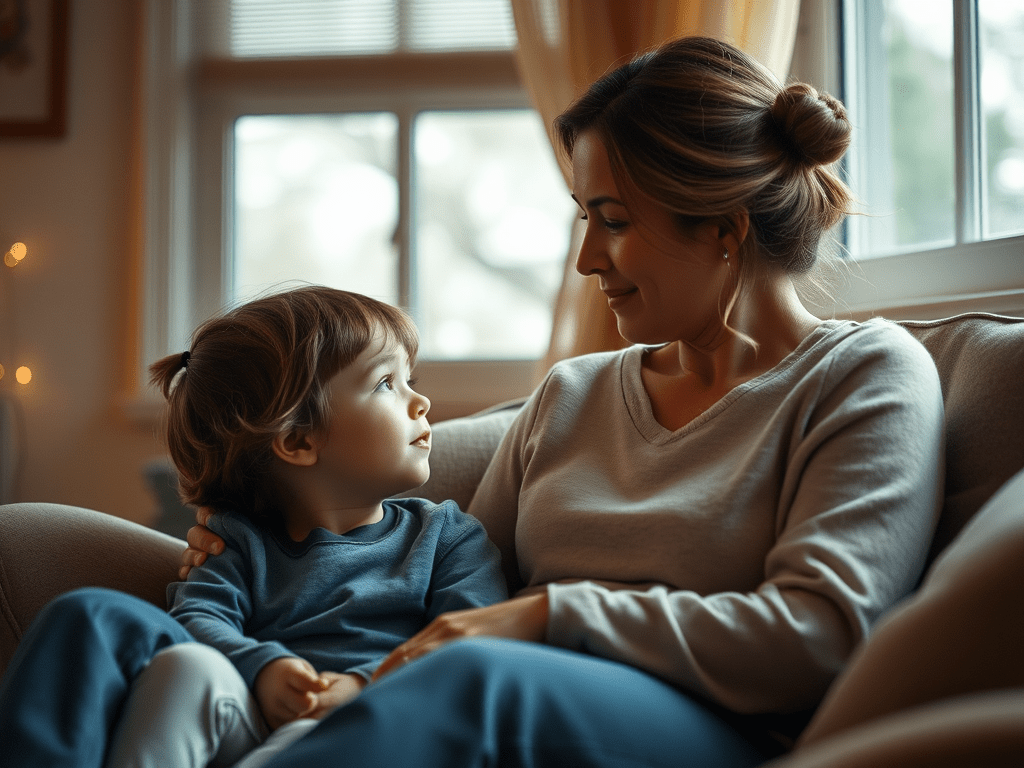
As a child, I never felt validated. I very much felt as though my feelings didn’t matter at all, to anyone, like a whisper lost in a cacophony of indifference. I felt dismissed, blamed, and shamed, as if my emotions were merely an inconvenience to those around me. Those feelings of isolation followed me into adulthood, where I found myself doing the same things to…well…ummm…myself. I became my own worst critic, perpetuating a cycle of self-doubt and negativity, seeing every misstep as a validation of my inadequacy, and convincing myself that I was unworthy of love and understanding.

It took a few years of therapy before I realized my feelings were valid and they didn’t have to make sense to anyone but me. During this journey, I learned to navigate the complex landscape of my emotions, gradually understanding that each feeling I experienced carried significance, even when they seemed overwhelming or confusing. It took a minute to recognize that I was a human being with feelings that could never be invalid because they are my feelings. Embracing this truth liberated me; I found strength in acknowledging my emotions, allowing me to process them rather than suppressing or denying their existence. I began to appreciate the depth of my experiences, understanding that being in touch with my feelings was a crucial part of my healing and growth, ultimately leading to a more authentic version of myself.

Unfortunately, as a mother, I can’t say I did much better at validating my kids when they were young. I often found myself overwhelmed with the daily challenges of parenting, which made it difficult to recognize and appreciate their individual needs and feelings. I’m changing all of that now, as I realize the importance of nurturing their emotional well-being. Even though they are adults and navigating their own lives, it’s not too late to repair our relationships. I am committed to reaching out to them, actively listening to their experiences, and showing them the love and validation that every child deserves, no matter their age. By fostering open communication and understanding, I hope to build a stronger bond with them that can stand the test of time.

I can’t stress enough how important it is to self-validate and to validate others. By recognizing our own worth and affirming our feelings, we empower ourselves to face life’s challenges with confidence. Simultaneously, when we extend this practice to others, we foster an environment of acceptance and understanding. This mutual support creates a ripple effect, contributing to a more compassionate society where we can lift each other up and make each other stronger. In doing so, we not only enhance our own lives but also inspire those around us to embark on their journeys of self-discovery and growth, forging deeper connections and creating a community grounded in empathy and respect.

I Did It!

I’ve lost 100 pounds! I started at 237 pounds and now I’m at 137 pounds! At first I wasn’t sure the Ozempic was working but now there’s no doubt. It controlled my appetite, I worked hard to give up sugar (mostly) and I started walking more. Aside from Ozempic and exercise, I weened off a couple of medications I believe were contributing to my weight gain.

I’ve been fortunate to not have experienced any more side effects than the occasional bit of nausea. Now that my dosage has decreased, the weight loss should slow down. I’d like to lose another 10 pounds but it’s not essential to my well-being. I’m pretty happy with having lost the 100 pounds.

Here’s the kicker though…every time I look into the mirror I still see 237 pound me. I see the weight loss on the scale, in my clothes and on my face but not in my body. I see the loose skin as fat and ugly. It makes me kind of sad, but women are programmed from youth that being thin is the standard of beauty. I need to work on my body dysmorphia.

The weight loss has helped with walking. I have a bone spur and arthritis in my low back and hips, and though I still have pain it is not as severe. I definitely find going up hills much easier than I used to. Going to physiotherapy has been helping.

Unfortunately, Ozempic is not something you can just stop taking. It’s recommended to stay on it, to do otherwise increases the risk of gaining the weight back.

Beyond My Control

When I found out that my youngest daughter kept in touch with my ex-husband, her step-father, I felt betrayed, angry and hurt. It’s not as simple as her keeping in touch with my ex. That particular ex was emotionally and mentally abusive to me, he is a narcissist.

Living with that man was awful. He used all the tricks narcissists use to manipulate and gaslight their victims. He constantly belittled and criticized me, even in front of my family. He didn’t have a kind word for my kids or even his own most of the time. It was fifteen years before I finally left. I couldn’t take it any more, I was suicidal.

Why she would want to keep in touch with a man like that is a mystery to me. She claims he’s changed and has apologized to her for any harm he caused her. She has told me that’s more than what she got from her own alcoholic father. I am trying to see her point of view. Her step-father’s apology seems to have validated her in some way.

The bald fact of the matter is, regardless of my personal feelings, she is entitled to her opinion and has a right to keep in touch with whomever she wants, even if that means maintaining relationships that I don’t fully understand or support. It still hurts, but I am trying to rise above it, to put my emotions aside, and to focus on my own growth and happiness, recognizing that part of becoming stronger is accepting the choices of others, even when they clash with my own desires.

Three Things I Like About Me

I deal with a fair amount of anxiety on a daily basis. I wonder if the people around me genuinely are interested in anything I have to say, or even if they want anything to do with me. I wonder if my partner is angry or frustrated with me even when he is not. I’ve decided it’s time to try to change the way I think about things. My journey begins with doing some self-worth work. Listing three things I like about myself seems like a good place to start.

I’m compassionate towards others. I try to put myself in the other person’s shoes. How would I feel if I were in their situation? How would I react? Compassion is important to me because it helps me feel connected with other people on a basic human level.

I’m kind. Kindness is a quality I treasure. It costs nothing to be kind to others. Smiles are free, so is lending an ear to a stranger who is suffering the loss of a loved one, or a lonely old lady on the bus. You just never know how much of a difference a small act of kindness can make in someone’s life. If it weren’t for the kindness of strangers, I might not be here today.

I’m artistic. Even though I haven’t completed a painting in quite some time I still explore my creative side. I’m actually working on something I haven’t tried before and it’s coming along nicely. It’s too early to say how it will turn out but I’m enjoying the process and learning more as I go.

Writing this post took a while. I wondered if it was good enough to publish on the blog. I wondered if it would help someone else who may be feeling unworthy, maybe they would feel inspired to write down three awesome things about themselves.

Living With Multiple Mental Health Issues, Never A Dull Moment

I have PTSD, Borderline Personality Disorder, Chronic Depression and General Anxiety. Each disorder poses its own challenges and sometimes they cross over.

PTSD makes it hard to go out anywhere. I’m constantly afraid I’ll have an urge incontinence accident. I was always punished for them as a child. Sometimes it was with a leather belt, sometimes it was a wooden spoon, other times it was a bare hand. It was often accompanied by name calling and cursing me out. I’ve had accidents in public before and not only is embarrassing, it’s triggering. I get flooded with unwanted memories and feelings. It’s like reliving the worst parts of my childhood.

That’s not the only trigger to my PTSD. I survived years of physical abuse from different boyfriends and endured fifteen years of mental abuse from my second husband. Any type of confrontation is extremely triggering. I avoid speaking up for myself a lot, and for easy things like making a warranty claim on a broken product, or sending something back at a restaurant, or even getting information from the Canada Revenue Agency. I still have nightmares of the past.

Intense out of control emotions are part and parcel of having Borderline Personality Disorder. So is erratic self destructive behaviour, having two self-images from one extreme to another (one minute I’m awesome and the next I’m not worth shit), and a history of unstable relationships. There are a few other symptoms but this is a super long article. I work hard to keep my symptoms under control, using every tool available to me. I’m not always successful but I’m better than I used to be.

I also suffer from chronic depression and anxiety. The depression makes it hard to get out of bed some days. I don’t have a lot of days where I feel good, most of them I feel kind of on auto-pilot. I spend so much time mindlessly binge watching tv shows on one streaming service or another, and scrolling through social media. I’m no longer suicidal but that doesn’t mean I’m in a great place. I’m not sure I ever will be but I’ve accepted that. I work with my depression. It’s not like I’m resigned to it.

I make the effort to get out of bed, get dressed and brush my teeth. I try to do things that distract me from my mood such as painting, listening to music, writing, playing with my dog because brooding just intensifies the depression. I’ve recently gotten back into cooking. For years, I hardly cooked unless it was quick and easy. I’m starting with simple recipes and finding some joy in it. Seeing my partner’s reaction to something I’ve made is rewarding for me.

The anxiety I feel when I have to go out into the community can be overwhelming. I hesitate to make even the most important appointments as it means I have to leave my safe space. I become anxious when I have to deal with people who are not known to me. I used to be more outgoing but after the mental abuse I’ve avoided situations where I would have to interact with strangers, if I can help it. Even at the grocery store (when I do go), I let my partner do the talking. I generally just keep my head down and avoid eye contact with the clerk. I continue to work on that through self-compassion exercises.

Click here if you are in Canada and need mental health resources.