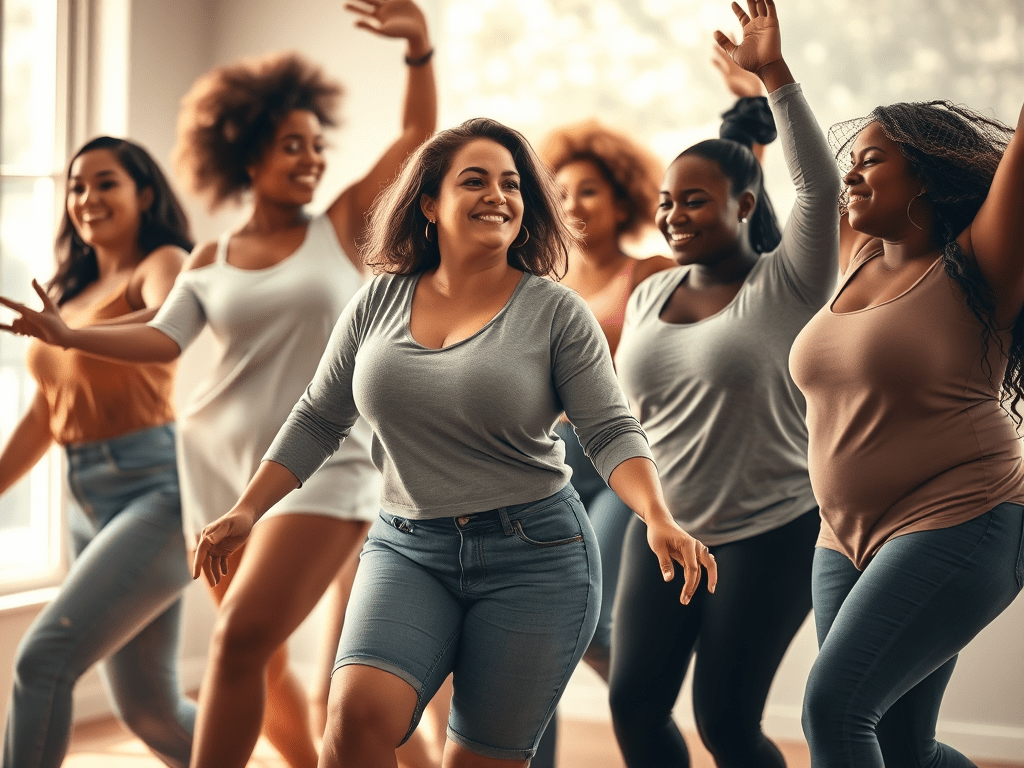
I’m tired of the standard of beauty for women being hairless twigs. This image of what we should look like is advertised to us relentlessly, infiltrating our lives through social media, magazines, and even mainstream movies, and as a result, our self-worth takes a nosedive. The pressure to conform to this unrealistic standard stifles individuality and breeds insecurity, making it difficult for women to appreciate their own unique beauty. Kirsten Neff points out (in one of her Ted Talks) that little girls start to lose their self-esteem at around grade three. This alarming trend highlights how early the societal pressures can damage a child’s self-image, leading them to believe that their value is tied solely to their appearance rather than their talents, intellect, or kindness. A trap I fell into as a young girl on the verge of womanhood.
As I matured I realized that being physically fit is more important than being thin. While thinness may often be a side effect of physical fitness, it isn’t always a direct correlation. There are plenty of curvy women who are not only more physically fit than I am but also embody strength, resilience, and vitality that defy conventional beauty standards. Even though I’ve lost a hundred pounds through dedication and hard work, I fully recognize that there are some of my curvier sisters who possess a level of stamina and endurance that I could only aspire to. Their ability to engage in activities with such ease and confidence serves as a powerful reminder that fitness comes in various shapes and sizes. It reaffirms my belief that enhancing one’s physical capabilities and overall health should take precedence over mere numbers on a scale, showcasing the diversity and individuality of fitness journeys.
And the shaving…. so much shaving… Shaving legs, armpits and who knows what else… Did you know that hair removal didn’t become popular until the 1920’s and 1930’s? Shorter hemlines and shorter sleeves became the fashion norm, creating a shift in societal expectations regarding women’s grooming. As these trends evolved, advertising played a pivotal role in popularizing shaving, portraying it as an essential aspect of feminine beauty and hygiene. The rise of advertisements featuring smooth, hairless skin influenced countless women to adopt this practice, often presenting it as a rite of passage into modern womanhood. The cultural impact was profound, as women began to embrace hair removal only for aesthetic reasons.
I remember my daughter tearfully telling me how some of her classmates were teasing her because she hadn’t started shaving her legs yet, making her feel self-conscious and isolated in a way that no parent ever wants for their child. It broke my heart to see her grappling with such unnecessary insecurity over something so trivial but still so impactful at that age. I recalled my own youth, feeling unattractive and awkward because I hadn’t shaved my legs that day, caught in the swirling pressure of societal expectations and the desire to fit in. Those moments of inadequacy lingered with me, as I navigated the complexities of womanhood, often wondering why we place so much importance on such superficial standards of beauty. I find solace in discussing these challenges, recognizing that our worth is not measured by smooth skin but by the strength and kindness we carry within us.
It’s time to normalize curvier women as beautiful; society should embrace a diverse range of body types rather than adhering to outdated and restrictive “traditional” standards of beauty. By celebrating various shapes and sizes, we can foster a more inclusive environment where everyone feels valued and appreciated for their unique qualities. This shift in perspective not only empowers individuals but also encourages a healthier relationship with one’s body, promoting self-love and acceptance. Challenging the narrow definitions of beauty allows for richer representations in media and fashion, ultimately creating a culture that uplift and admires all forms of femininity. It’s crucial for us to recognize that beauty comes in many forms and that diversity is a strength that adds depth and vibrancy to our society.
More and more women are reclaiming their body hair, challenging societal norms that have long dictated what is considered acceptable or attractive. It should not be viewed as gross, disgusting, or as a sign of neglect. It’s just body hair, a natural part of human biology that we all have in varying degrees, and I wholeheartedly applaud women who are confidently choosing to embrace their bodies as they are. By doing so, they are not only advocating for self-acceptance but also encouraging others to appreciate their own individuality, fostering a culture that celebrates all forms of beauty and promotes the idea that every body deserves love and respect.
I am on this very journey of self-acceptance, embracing every part of who I am. I’m tired of the endless cycle of shaving my legs and obsessively watching the scale, which only drains my energy and creativity. I am working towards being less self-conscious when I don’t shave or when my dress doesn’t fall quite right; instead, I strive to celebrate my uniqueness and the beauty of imperfection. Each day, I remind myself that confidence comes from within and that my worth is not defined by societal standards or superficial appearances. As I navigate this path, I find strength in acceptance and a newfound freedom in letting go of the pressures to conform.
 My Phoenix Rising
Absolutely! Don’t even get me started on having to have the perfect smile, evenly spaced eyes, the right hair colour and a cute little nose. All of it is just nonsense.
LikeLike
Beauty standards often feel unrealistic and limiting, defining what’s “beautiful” based on trends or societal norms rather than individuality. It’s time to challenge these narrow ideals and embrace diversity in all its forms. Everyone deserves to feel confident and beautiful, no matter how they look.
LikeLike